Conditions & Route
Check weather, wind, currents, tide, water temperature, visibility, hazards, destination rules, and your intended return time.
 1-Person Inflatable Kayak with 86-Inch Paddle and Skeg
 110L/130L Waterproof PVC Dry Duffel Bag with Airtight...
 2-Tier Freestanding Kayak Storage Rack with Wheels
 220N Swimming Rescue Buoy with 3 Handles and Waist Belt
 3-Compartment Hanging Boat Storage Mesh Organizer
 3-Pack Lightweight Waterproof Dry Bags for Water Sports
 31-Inch Canadian Maple Skimboard for Kids and Beginners
 48-Inch Heavy-Duty Snow Tube with Canvas Cover for Sl...
 6-Style Inflatable Pool Lounger with Canopy & Cup...
 Advanced Elements Packlite+ Inflatable Packraft for 1...
 Waterproof Dry Bag Backpack with Phone Case for Kayaking
 Rock-It SharkGuard 42.5" Bodyboard with Magnetic...
 ZEEPORTE Adult Snorkeling Set with Mask, Fins & D...
 AWSUM 6–15 ft Inflatable Floating Dock for Water Acti...
 WONITAGO Lightweight TPU Inflatable Packraft for Travel
 Spatium Inflatable Pedal Fishing Kayak with 360° Swiv...
 RNSXYAT 2-Pack Airtight SUP Pump Adapters for Paddle ...
 Wesky 10'6" Enhanced Double Inflatable Stand...
 LeeQinersw Transparent Inflatable SUP Board with Non-...
 Niphean 10'6"/12'6" Inflatable SUP ...
 Stohlquist Kids Type III Life Jacket for 50–90 lbs
 Onyx Kayak Fishing Life Jacket with High-Back Design
 BPS Gator Wooden Skimboard for Kids and Adults
 SIMARI Quick-Dry Water Shoes for Swimming and Beach Use
 ZIONOR G1 Polarized Anti-Fog Swimming Goggles for Adults
 Cressi Palau Adult Snorkel Set with Dry Snorkel and Fins
 VEVOR Non-Slip Inflatable Floating Dock with Ladder
 Airhead Slice 2–4 Rider Towable Tube with Nylon Cover
 INTEX Explorer K2 2-Person Inflatable Kayak Set 2-Pack
 Roc 10'6" Inflatable Stand Up Paddle Board w...
 Wavestorm 48-Inch Foam Skimboard for Beginners
 WIN.MAX Anti-Fog UV Protection Swim Goggles for Adults
 Cressi Star Adjustable Open-Heel Swim Fins
 CTSC Lily Pad Floating Water Mat for Lake Recreation
 SLOOSH Inflatable Pool Recliner with Cup Holders &...
 PEAKFLOW 1–3 Rider Boat Towable Tube with Nylon Cover
 Bestway Hydro Force Inflatable Raft Set with Oars &am...
 Sunlite Sports 2-Person Inflatable Kayak with Oars &a...
 Vivafuse Stand Up Paddle Board Cup Holder Accessory
 FunWater Inflatable Paddle Board with Beginner SUP Ac...
The freedom to explore begins with the details that keep every outing considered, organized, and ready for changing conditions.
Discover thoughtfully selected life jackets and PFDs, water-rescue essentials, waterproof storage, and solutions for transporting and caring for your watercraft.
From the first equipment check to the journey home, practical preparation helps you spend more time enjoying the water and less time worrying about what you may have forgotten.

Time on the water asks for more than a well-chosen board, kayak, or inflatable craft. It asks for a realistic understanding of the location, weather, water temperature, the people taking part, and the equipment required for that activity.
Personal flotation, communication, rescue preparedness, and secure storage each contribute to a more considered plan. No single product can guarantee safety, and even familiar waterways can present unexpected hazards.
This guide introduces the four safety and essentials collections available through Oceqaro and outlines practical points to review before choosing equipment.
Reliable flotation begins with appropriate selection and correct fit. Life jackets and personal flotation devices are designed for different activities, users, and conditions, and their labels should guide your choice.
Before heading out, verify that the device meets applicable approval requirements, is suitable for the intended activity, and fits the person who will wear it. Keep it correctly fastened while on the water.
Check the device label for approval, flotation characteristics, activity limitations, and the wearer's weight or sizing range.
Adjust straps as instructed. A properly fitted device should remain secure and not ride excessively upward.
Inspect buckles, straps, fabric, flotation material, and any inflation components before use.

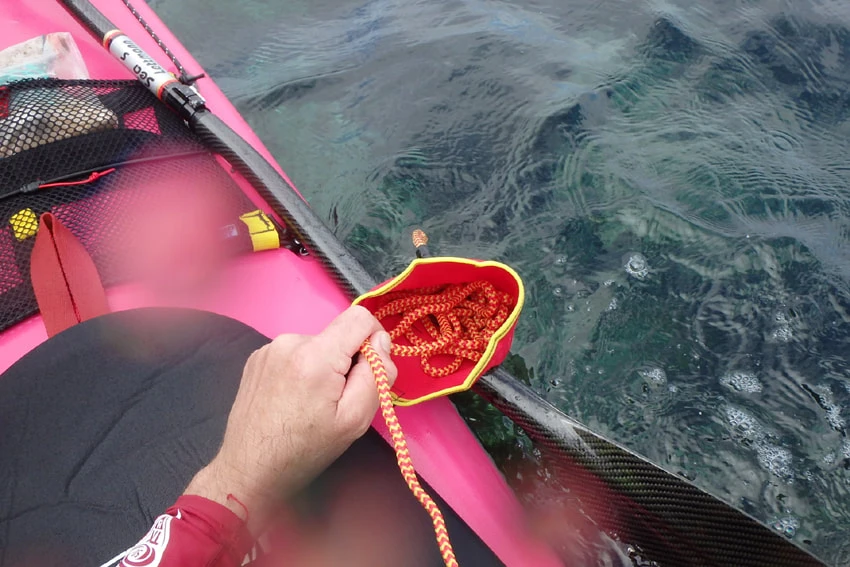
Preparedness is a combination of knowledge, planning, and suitable equipment. Rescue and safety tools may help people respond to an incident, but they must be selected for the environment and used only with the appropriate training.
The needs of a sheltered lake, a coastal route, and moving river water are not interchangeable. Review local safety recommendations and seek instruction before attempting rescue techniques.
Consider activity-appropriate whistles, signaling devices, and means of contacting emergency assistance.
Review the intended use of throwlines and other rescue devices; misuse can endanger both rescuer and casualty.
Know how equipment works, inspect it regularly, and keep emergency-access items secure and reachable.
Keep the things you need organized, protected, and easy to find. Dry bags and waterproof cases support outdoor travel by providing additional protection against splashes, rain, and water exposure when used correctly.
Water resistance and waterproof performance vary by product. Always check the manufacturer's stated rating, closure method, and limitations—especially before storing electronics or essential safety items.
Choose protection for the expected splashes, rain, or immersion conditions; do not assume every bag is submersible.
Follow roll-top or seal instructions and test with nonvaluable contents before relying on the product.
Keep communication tools, medications, and other essentials accessible and protected according to their needs.

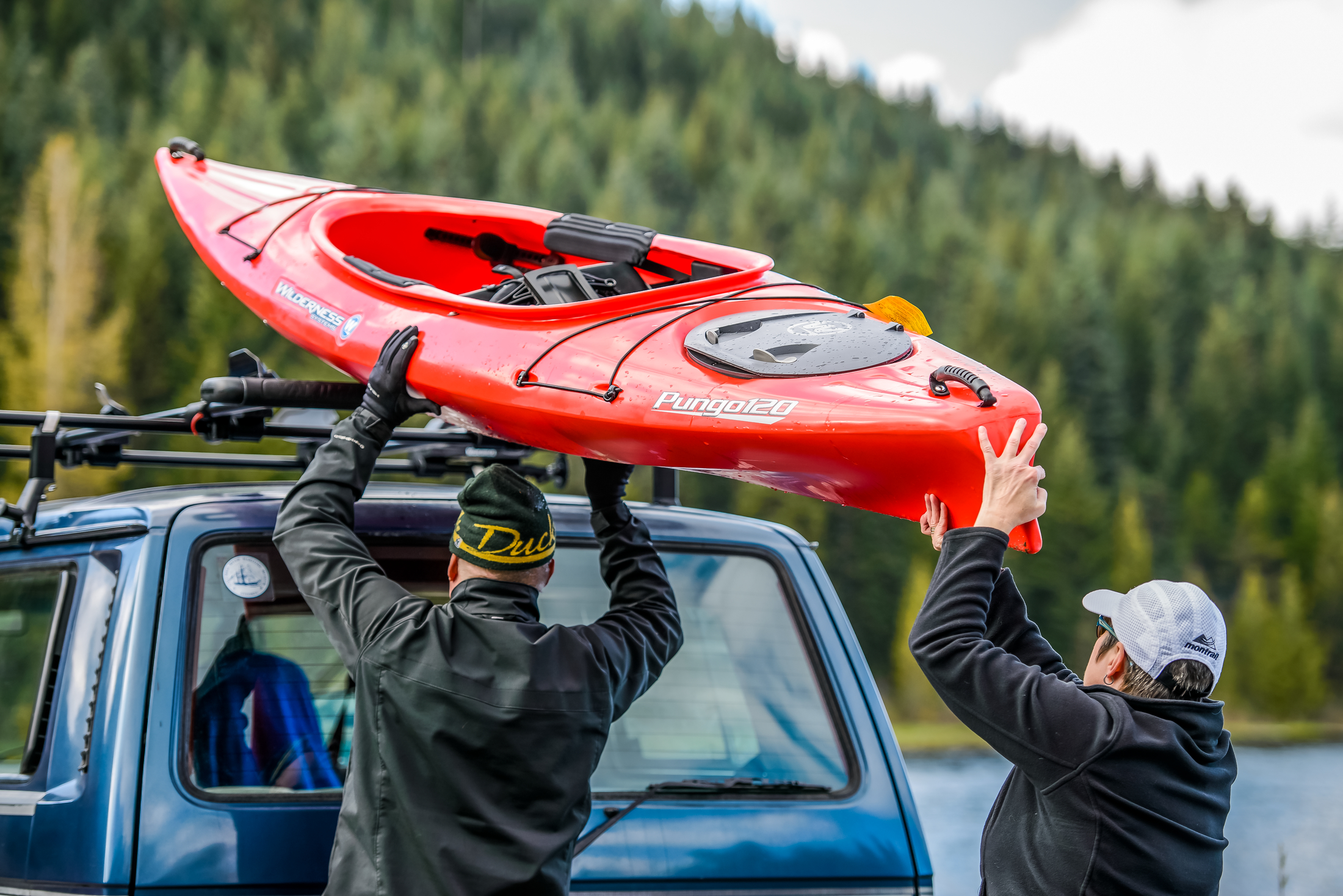
Preparation continues off the water. The right transport and storage approach protects your equipment, your vehicle, and other road users while helping make every departure more organized.
Transport requirements vary across inflatable paddleboards, folding kayaks, rigid watercraft, and accessories. Check product dimensions, manufacturer instructions, and the load limits of your vehicle and carrying system.
Confirm rack suitability, vehicle limits, watercraft weight, mounting points, and approved attachment methods.
Use the required tie-downs and check the load's stability; follow applicable road rules and manufacturer guidance.
After the outing, remove residue, inspect equipment, and store it away from damaging heat, moisture, or pressure.
Use these preparation prompts to review the outing as a whole, not only the products packed. Adapt the plan to the activity and guidance of qualified local authorities.
Check weather, wind, currents, tide, water temperature, visibility, hazards, destination rules, and your intended return time.
Confirm the group has suitable flotation equipment, relevant skills, required supervision, and properly inspected gear.
Tell a trusted person your route and return plan. Keep appropriate communication and signaling tools available, and know when to turn back.
Even excellent equipment cannot eliminate the risks of drowning, injury, changing weather, or equipment misuse. Choose conditions within your abilities and seek practical instruction where appropriate.
Follow the device's instructions and applicable rules. Select appropriate sizes for adults and children.
Cold water, waves, moving water, and offshore wind can create serious hazards even near shore.
Training, supervision, communication, and a practical emergency plan are essential.
Turn back or postpone an outing when the environment, equipment, or participants are not ready.
Equipment performs as intended only when used, inspected, and maintained according to its design. These points can help you organize the routine between outings.
For specific details, follow the individual product instructions and relevant local safety requirements.
Review manufacturer labeling for size, weight range, activity suitability, approval, flotation characteristics, and any limitations. Try it on and adjust it according to the instructions before use.
Rescue devices should be used only within the user's training and capabilities. In an emergency, contact emergency services. Avoid entering hazardous water or attempting untrained rescues.
No. Resistance to water depends on the bag's construction, seal, and published rating. Check whether a product is intended for rain, splashing, or submersion before relying on it.
Use a compatible carrying system, comply with the vehicle and rack load limits, follow the instructions for securing the load, and inspect it during travel as recommended.
Check straps, buckles, attachment points, seams, flotation material, seals, and storage equipment for wear. Clean and dry items according to their care instructions before storing them.
Oceqaro customer support can help clarify available product descriptions and specifications. Confirm safety-critical compatibility with the relevant manufacturer instructions.
No minimum purchase required.
Our stated delivery timeframe.
Free returns and exchanges, subject to policy conditions.
Support for product and order questions.
The right essentials help make room for the experiences ahead. Discover flotation, rescue preparedness, protected storage, and transport solutions chosen to suit the needs of your next water adventure.
Thoughtful equipment and clear information are part of every well-prepared departure.
Need help reviewing equipment dimensions, intended use, available accessories, or compatibility details? Our team is available 24 hours a day, seven days a week.
Contact Our Team